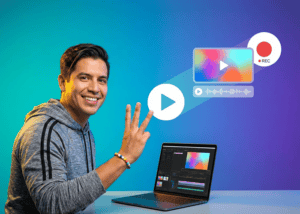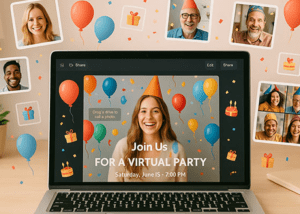
In today’s competitive digital landscape, brands are under pressure to deliver content that feels personal while reaching audiences at scale. This is where automated personalization becomes a powerful strategy. By combining data insights with intelligent video automation, businesses can create tailored experiences for thousands—or even millions—of viewers.
However, scaling personalized content comes with a critical challenge: maintaining authenticity. Audiences can easily detect when personalization feels forced or purely algorithmic. The true success of automated video marketing lies in balancing efficiency with genuine storytelling.
This article explores how brands can leverage automated personalization to expand their reach while preserving meaningful, authentic connections with their audiences.

The Power of Scale in Automated Video Personalization
One of the greatest advantages of automated video personalization is scalability. Traditional video production requires significant time, budget, and manual effort. Creating individualized content for each customer would be nearly impossible without automation.
Through advanced platforms and AI-driven tools, marketers can now produce dynamic videos that adapt elements such as names, locations, purchase history, or user behavior automatically. This enables mass personalization without recreating each video from scratch.
Scaling personalized campaigns offers several benefits:
- Increased engagement through relevant messaging
- Higher conversion rates driven by tailored content
- Greater operational efficiency
- Faster campaign deployment across multiple segments
By automating repetitive production tasks, teams can focus on strategic storytelling while technology handles large-scale distribution. In this sense, automated personalization empowers brands to combine efficiency with impact.

Leveraging Data Insights for Personalized Scale
Data is the engine behind successful automated personalization. Without accurate audience insights, personalization risks becoming superficial. To truly achieve personalized scale, marketers must rely on structured data analytics and smart segmentation strategies.
Audience segmentation allows brands to group viewers based on behavior, preferences, demographics, or engagement history. This makes it possible to deliver video messages that resonate more deeply with specific segments rather than broadcasting generic content.
Effective use of data-driven personalization includes:
- Behavioral triggers that initiate customized videos
- Dynamic content blocks tailored to viewer interests
- Integration with CRM systems for real-time personalization
- Performance tracking to refine personalization strategies
When analytics and automation work together, brands can optimize campaigns continuously. Instead of guessing what resonates, they use measurable insights to enhance relevance. This strategic use of data ensures that automated personalization feels intentional rather than mechanical.
Overcoming Challenges: Authenticity in Mass Personalization
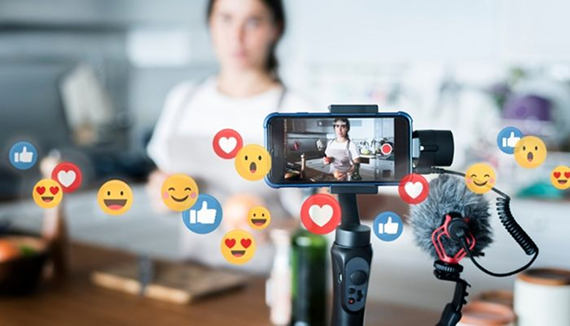
While scale is powerful, authenticity remains the foundation of trust in modern digital communication strategies. One of the biggest challenges in automated personalization is avoiding content that feels robotic, impersonal, or overly templated to audiences.
Authenticity begins with maintaining a consistent brand voice. Even when messages are dynamically generated, they should align with the brand’s tone, values, and storytelling style. Over-personalization can also backfire if it appears intrusive. Respecting privacy boundaries and being transparent about data usage is essential.
To maintain authenticity while scaling personalized campaigns, brands should focus on:
- Human-centered storytelling rather than purely data-driven scripting
- Personalization that adds value instead of novelty
- Emotional relevance alongside technical precision
- Clear brand identity across all variations of content
Balancing automation with creativity ensures that technology enhances the human touch instead of replacing it.

Strategic Integration of AI in Video Personalization
Artificial intelligence plays a significant role in advancing automated personalization. AI tools can analyze audience behavior patterns, predict content preferences, and automate video variations efficiently.
However, AI should be used as a support system, not a substitute for strategic thinking. The most effective campaigns combine intelligent automation with creative direction. By aligning AI capabilities with authentic messaging, marketers can deliver content that feels both scalable and sincere.
The goal is not simply to personalize for personalization’s sake, but to create meaningful experiences that strengthen relationships with audiences
Conclusion
As digital marketing evolves, automated personalization has become essential for brands seeking to scale video campaigns efficiently. The ability to deliver tailored messages to large audiences offers undeniable advantages in engagement, conversion, and operational efficiency.
Yet scale alone is not enough. Authenticity remains the key factor that determines whether personalization truly resonates. By leveraging data insights responsibly, maintaining a consistent brand voice, and prioritizing human-centered storytelling, organizations can achieve the right balance between automation and authenticity.
In the future of automated video marketing, success will belong to brands that use technology not just to expand their reach, but to deepen their connections.