
As personalized video marketing rapidly transforms how brands communicate with audiences, the ethics of personalized videos has become a central discussion point in the digital marketing landscape. Personalized videos rely heavily on user data—behaviors, interests, demographics, and engagement patterns—to create tailored viewing experiences. While this approach enhances relevance and boosts conversion rates, it also introduces concerns around privacy, consent, transparency, and responsible data handling. This article explores the ethical responsibilities businesses must uphold to ensure that personalized video strategies remain both effective and respectful of user rights.
Balancing Personalization and Privacy
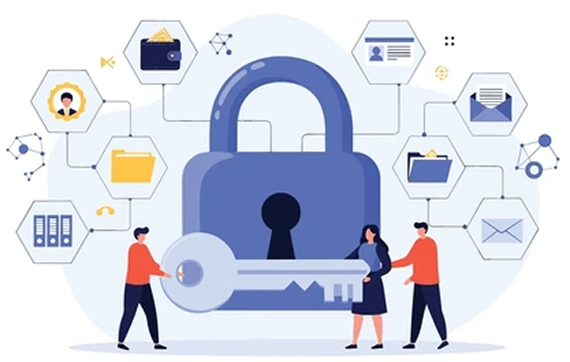
Achieving a balance between personalization and privacy is one of the most significant ethical challenges in personalized video marketing. Brands want to deliver videos that feel uniquely adapted to each viewer—but this requires collecting and processing personal data. The ethics of personalized videos demands a thoughtful approach to how this data is used, protected, and shared.
Data security plays a major role here. Secure data practices must include robust encryption methods to protect sensitive information from unauthorized access. Cybersecurity strategies—such as secure servers, multi-factor authentication, and ongoing vulnerability assessments—ensure that user data remains shielded during the creation, storage, and distribution of personalized video content. Video campaign security is especially vital for industries handling sensitive information, such as finance, healthcare, or government services.
Consumers increasingly expect brands to prioritize privacy, and any breach of trust can harm brand reputation. Ethical marketing requires organizations to take proactive steps to implement safeguards, minimize data exposure, and refine internal protocols to protect users at every stage of the personalized video journey.
Navigating Legal Frameworks and Regulations
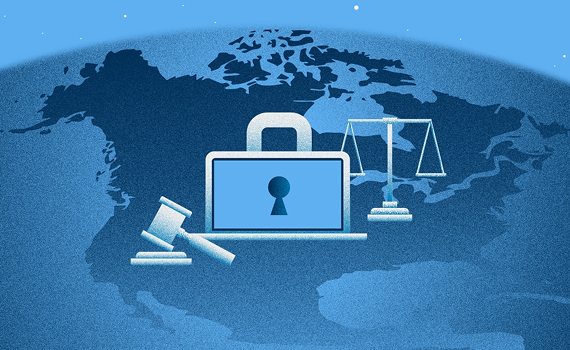
As data usage becomes more complex, compliance with legal frameworks is no longer optional—it’s a core component of the ethics of personalized videos. Marketers must navigate regulations such as the General Data Protection Regulation (GDPR), the California Consumer Privacy Act (CCPA), and other regional data protection laws that govern how personal information can be collected and used.
GDPR compliance is especially critical for personalized video marketing. It requires businesses to:
- Obtain explicit user consent
- Clearly define the purpose of data usage
- Allow users to access, correct, or delete their data
- Ensure data minimization by collecting only what is necessary
- Uphold user rights regarding automated decision-making
Legal considerations extend beyond data collection to video distribution, analytics tracking, and third-party integrations. When marketers fail to comply, the risks include significant financial penalties, reputational damage, and loss of consumer trust.
Ethical marketing teams must collaborate closely with legal professionals to ensure their personalized video workflows—scripts, templates, data feeds, and content delivery systems—are aligned with all relevant data protection laws. This alignment protects both the organization and its audience.

Transparency in Personalized Video Practices
Transparency is a foundational pillar of the ethics of personalized videos. As personalized content becomes more sophisticated, consumers want to understand how their data is being used and why. Ethical communication therefore requires brands to be forthright about data practices—from collection to targeting to content creation.
Data usage disclosure should be clear, understandable, and easily accessible. Brands must avoid vague statements and instead communicate:
- What data is being collected
- How this data enhances the personalized video experience
- Whether data is shared with third parties
- How long the data will be stored
- What rights users have
This level of openness builds consumer trust and reassures users that their privacy is being respected. When brands are transparent, they demonstrate a commitment to ethical communication—an increasingly influential factor in customer loyalty.
Moreover, disclosure practices should be integrated into user touchpoints such as onboarding flows, privacy policies, and consent forms. Ethical transparency isn’t just a legal requirement—it’s a competitive advantage for brands that want to maintain strong, trust-based relationships with their audience.

The Impact of Ethical Practices on Consumer Trust
Ethical data usage is no longer merely a compliance checklist—it directly affects how consumers perceive and engage with brands. Today’s audience is more privacy-aware and more selective in choosing which brands to trust. When organizations follow the ethics of personalized videos, they send a message that user rights matter as much as marketing performance.
Prioritizing data ethics helps brands:
- Strengthen trust and credibility
- Improve long-term customer loyalty
- Reduce opt-out rates
- Increase user willingness to share data
- Enhance engagement through more confident interactions
Conversely, unethical data practices—even if legally ambiguous—can lead to backlash, negative press, and a decline in customer retention.
The most successful personalized video strategies are those that prove personalization and privacy can coexist harmoniously.
Conclusion
Personalized video marketing offers tremendous opportunities for brands to connect with audiences on a deeper and more meaningful level. But with great personalization comes great responsibility. Upholding the ethics of personalized videos—balancing customization with privacy, navigating legal frameworks, and maintaining transparency—ensures that marketing practices remain respectful, compliant, and consumer-centric.
By integrating secure data practices, clear communication, and adherence to regulatory standards, businesses can foster trust, demonstrate integrity, and deliver personalized video experiences that benefit both the brand and its audience.