Using Interactive Video to Increase Lead Qualification

Generating leads is important, but generating qualified leads is what ultimately drives business growth. Many marketing teams invest significant resources in attracting visitors, capturing contact information, and filling the sales pipeline. However, not every lead is ready to buy, and identifying high-intent prospects often requires additional time and effort from sales teams.

Traditional lead generation methods typically rely on static forms, landing pages, or downloadable content. While these tactics can capture basic contact information, they often provide limited insight into a prospect’s actual interests, needs, or purchase intent.

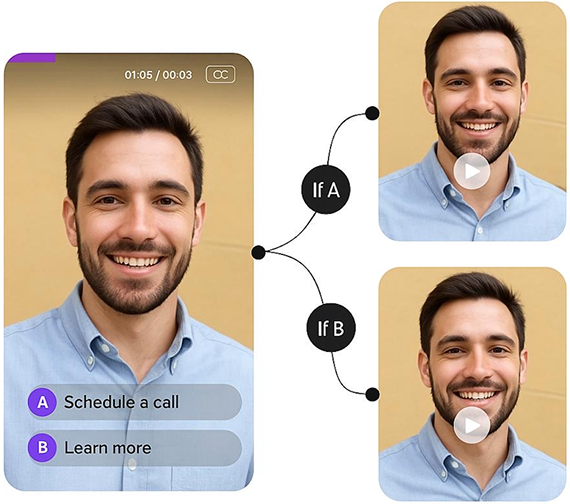
This is where interactive video lead generation offers a significant advantage. By combining video engagement with interactive elements such as questions, polls, branching journeys, and embedded forms, businesses can gather valuable intent signals while creating a more engaging user experience.

Interactive video allows prospects to actively participate rather than passively consume content. As users interact with the video, organizations gain deeper insights into their preferences, challenges, and readiness to engage with sales teams. This makes interactive video a powerful tool for improving lead qualification and helping sales teams focus on the most promising opportunities.
interactive2

How Interactive Video Captures Intent

One of the biggest challenges in lead qualification is understanding what prospects actually care about. Traditional forms may reveal who someone is, but they rarely explain why they are interested or what problems they are trying to solve.

Interactive video helps bridge this gap by collecting information naturally throughout the viewing experience. Rather than asking users to complete a lengthy form upfront, businesses can introduce questions at relevant moments within the video itself.

For example, a financial institution could ask viewers whether they are interested in personal banking, investment services, or business financing. An insurance provider might allow prospects to select coverage types most relevant to their needs, while a telecommunications company could guide users toward services based on company size, location, or connectivity requirements.

These interactions create valuable behavioral data that goes beyond basic demographic information. Every response, click, and viewing decision becomes an indicator of buyer intent.

Interactive video also increases engagement compared to traditional content. Instead of passively watching, users actively participate in the experience, resulting in higher completion rates and more meaningful qualification data.
interactive3

Designing Qualification Questions Inside Video

The success of interactive video often depends on asking the right questions at the right time. Effective qualification questions should feel like a natural part of the viewing experience rather than a traditional form. Instead of interrupting the user journey, they should help prospects move through the content while providing valuable insights for marketing and sales teams. Through these interactions, organizations can gain a better understanding of a prospect’s business size, industry, current challenges, product interests, purchase timeline, and even budget expectations. This richer context allows businesses to qualify leads more accurately and deliver follow-up communications that are more relevant to each prospect’s needs.


For example, an insurance company might ask whether a customer is interested in health, auto, or property insurance. A bank may use interactive questions to determine whether a prospect is seeking consumer or business services. Telecommunications providers can identify whether viewers are exploring connectivity solutions for small businesses, enterprises, or public sector organizations.

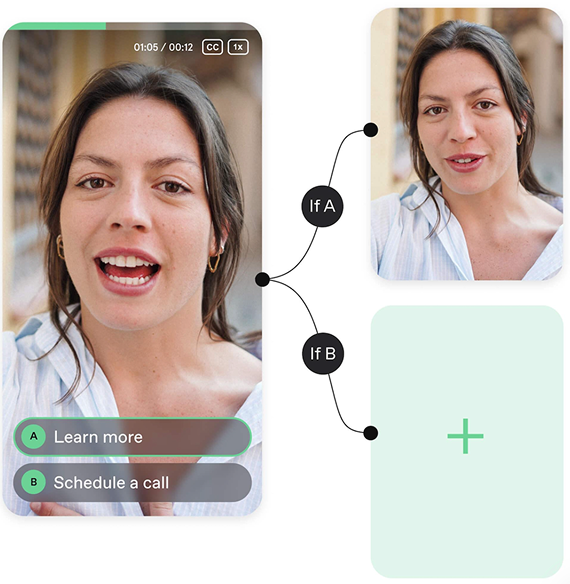
Branching logic allows each viewer to receive a more relevant experience based on their responses. Instead of presenting identical content to every prospect, interactive video can adapt dynamically and guide users toward information that matches their interests.

This personalization benefits both the prospect and the organization. Viewers receive more relevant content, while businesses collect richer qualification data.
interactive4

Connecting Interactive Video Data to CRM

The true value of interactive video emerges when engagement data is integrated into CRM and marketing automation platforms.

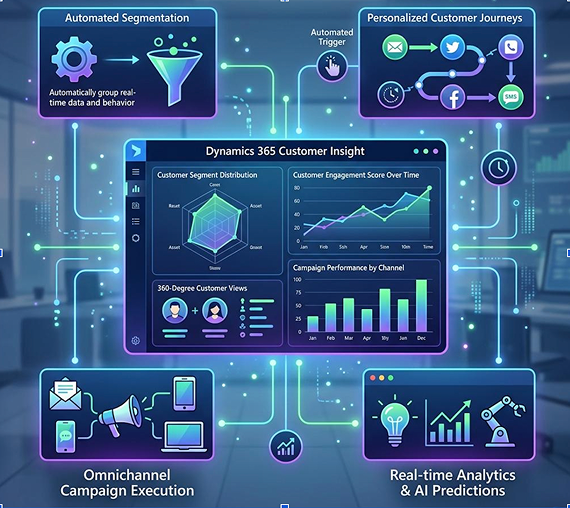
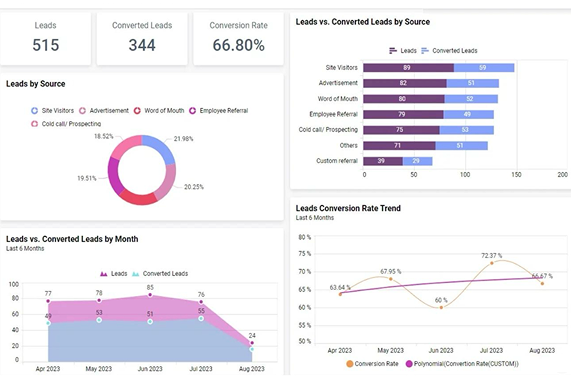
Every interaction within a video can contribute to a more complete lead profile. Responses, viewing behavior, completion rates, and engagement patterns can all be used to enrich customer records and improve lead scoring models.

For example, a prospect who watches an entire product demonstration, answers qualification questions, and requests additional information may receive a higher lead score than someone who abandons the video after a few seconds

Marketing teams can use this data to trigger automated follow-up campaigns, while sales teams gain better visibility into customer interests before initiating conversations.

CRM integration also enables organizations to segment leads more effectively. Prospects can be grouped according to industry, product interest, engagement level, or purchase intent, allowing for more personalized outreach and improved conversion rates.

As organizations collect more interaction data, they can continuously refine qualification models and identify the content paths that generate the strongest business outcomes.
interactive6

Measuring Success and Optimizing Results

Like any lead generation initiative, interactive video should be measured against clear business objectives. While engagement metrics such as video completion and interaction rates provide valuable insights, organizations should also evaluate how effectively interactive video improves lead qualification and supports the sales process.


Metrics such as lead-to-opportunity conversion rates, sales acceptance rates, and the revenue influenced by marketing campaigns can help determine the overall business impact. By continuously monitoring these results, organizations can refine their video content, optimize qualification paths, and improve campaign performance over time.

Beyond traditional engagement metrics, organizations should evaluate how interactive video affects lead quality. The ultimate goal is not simply generating more leads but generating leads that are more likely to convert into customers.

By analyzing viewer behavior and qualification outcomes, marketing teams can continuously improve content, refine questions, and optimize conversion paths.

Conclusion

Interactive video is transforming how organizations qualify leads by combining engagement, personalization, and data collection within a single experience. Instead of relying solely on traditional forms, businesses can gather valuable intent signals directly through video interactions and create more relevant customer journeys.

Whether used in financial services, insurance, telecommunications, or B2B marketing environments, interactive video helps organizations identify high-quality prospects earlier in the buying process and improve alignment between marketing and sales teams.

OmmaVQ enables organizations to create interactive, personalized video experiences that capture valuable customer insights while driving engagement and conversion. With seamless CRM integration and scalable automation, businesses can transform video content into a powerful lead qualification tool. Curious how interactive video can improve your lead generation strategy? Get in touch with our team.


How Personalized Video Improves Customer Onboarding

First impressions matter, especially when a new customer starts using a product or service for the first time. No matter how powerful a solution may be, customers can quickly become frustrated if they don’t understand how to get started or see value early in their journey. This is why customer onboarding plays such a critical role in long-term success.

Many organizations invest heavily in acquiring customers, yet struggle to guide them through the first days or weeks after signup. Traditional onboarding methods often rely on generic emails, lengthy documentation, or static tutorials that fail to address individual customer needs. As a result, engagement drops, activation slows, and some users abandon the product before experiencing its benefits.

Personalized video onboarding offers a more engaging and effective alternative. By delivering tailored video content based on customer information, behaviors, or goals, businesses can create onboarding experiences that feel more relevant, human, and helpful. Whether used in SaaS platforms, financial services, healthcare, education, or e-commerce, personalized video is becoming an increasingly valuable tool for improving customer activation and retention.

onboarding2

Why Personalized Video Works in Onboarding

One of the biggest challenges during onboarding is capturing attention. New customers are often overwhelmed with information, trying to understand features, workflows, and next steps while balancing their own priorities. Generic onboarding content may provide useful information, but it often feels disconnected from the customer’s specific situation.

A customer onboarding video that includes personalized elements immediately creates a more relevant experience. Instead of presenting the same information to every user, the video can reference the customer’s name, company, subscription plan, goals, or recent actions. This level of personalization helps customers feel recognized and understood from the very beginning.

Personalized videos also simplify complex information. Rather than asking customers to read lengthy guides or navigate multiple help articles, businesses can visually demonstrate exactly what the customer needs to do next. Seeing a process explained step by step often reduces confusion and accelerates learning.

Another advantage is emotional engagement. Video naturally combines visual, verbal, and contextual communication, making it easier to build trust and confidence. When customers feel supported during onboarding, they are more likely to continue exploring the product and less likely to abandon the process prematurely.

Personalized onboarding videos can help customers reach their first success milestone faster across a wide range of industries. In banking and financial services, they can guide customers through account activation, digital banking enrollment, or credit card onboarding. In insurance, personalized videos can simplify policy explanations, claims processes, and coverage details. Telecommunications providers can use video onboarding to help customers activate new services, understand billing structures, or manage their accounts more effectively. By delivering relevant information in a clear and engaging format, personalized video reduces confusion and accelerates time-to-value.

As customer expectations continue to evolve, personalization is becoming an essential part of modern customer experiences. People increasingly expect businesses to understand their needs and provide relevant information without requiring them to search for answers on their own.

onboarding3

Building Automated Onboarding Video Flows

One of the most powerful aspects of personalized video is that it can be automated at scale. Businesses no longer need to create individual videos manually for every customer. Modern video personalization platforms can generate customized content automatically using customer data from CRM systems, marketing automation platforms, product analytics tools, or onboarding software.

An effective onboarding workflow often begins immediately after a customer signs up. Instead of receiving a generic welcome email, the customer receives a personalized video introducing the platform and highlighting the features most relevant to their account type or objectives.

As customers progress through their journey, additional videos can be triggered based on behavior. For example, if a user completes account setup but has not activated a key feature, a follow-up video can provide guidance specific to that feature. Similarly, customers who remain inactive for several days may receive personalized encouragement and recommendations designed to help them move forward.

Segmentation plays an important role in this process. Different customer groups often have different onboarding requirements. Enterprise customers may need guidance focused on team collaboration and integrations, while smaller businesses may benefit from content centered on quick wins and basic configuration. Personalized onboarding videos allow organizations to tailor messaging without creating entirely separate onboarding programs for each audience segment.

Automation also creates consistency. Every customer receives accurate information at the right stage of their journey, reducing the risk of missed communication and ensuring a more predictable onboarding experience. At the same time, personalization prevents the experience from feeling generic or automated.

The result is a scalable onboarding process that combines operational efficiency with a highly personalized customer experience.

For example, a bank may automatically send a personalized onboarding video after a customer opens a new account, while an insurance provider may trigger tailored content based on policy type. Telecommunications companies can deliver personalized welcome journeys that explain service activation, account management, and available features based on each customer’s subscription plan.

onboarding4

Measuring Activation and Retention Impact

Like any customer success initiative, personalized video onboarding should be evaluated against measurable business outcomes. While engagement metrics such as video views and completion rates provide useful insights, organizations should also focus on broader onboarding and retention goals.

One of the most important metrics is activation rate. Activation typically refers to the point at which a customer completes a key action that demonstrates they have successfully started using the product. Businesses that implement personalized onboarding videos often see improvements in activation because customers receive clearer guidance and reach value more quickly.

Time-to-value is another important measurement. The faster customers experience meaningful results, the more likely they are to remain engaged. Personalized video can reduce onboarding friction and shorten the path to successful product adoption.

Retention metrics also help evaluate long-term impact. Customers who complete onboarding successfully are generally more likely to continue using a product, renew subscriptions, and expand their relationship with the business. Monitoring retention rates among customers who receive personalized onboarding videos can reveal whether the onboarding strategy is contributing to improved customer loyalty.

Customer satisfaction scores, onboarding completion rates, support ticket volumes, and product adoption metrics can provide additional insights into onboarding performance. In many cases, personalized video not only improves customer understanding but also reduces the burden on support and customer success teams.

The most successful organizations continuously refine their onboarding workflows based on data. By analyzing which videos drive engagement, which customer segments respond best, and where users encounter challenges, businesses can optimize onboarding experiences over time and achieve stronger outcomes.

Conclusion

Customer onboarding is one of the most important moments in the customer lifecycle. It shapes first impressions, influences product adoption, and often determines whether customers achieve long-term success with a product or service.

Personalized video onboarding helps organizations create more engaging, relevant, and effective onboarding experiences by delivering the right information to the right customer at the right time. Through automation, segmentation, and data-driven personalization, businesses can guide customers more efficiently while maintaining a human and supportive experience.

As competition continues to increase and customer expectations rise, personalized video is becoming a valuable tool for improving activation, accelerating time-to-value, and strengthening customer retention. Organizations that invest in personalized onboarding experiences are better positioned to help customers succeed from day one and build stronger relationships over the long term.

OmmaVQ enables businesses to create dynamic, interactive, and personalized video experiences that can be delivered directly to users on their own devices—securely, automatically, and at scale. Whether you’re looking to improve customer onboarding, accelerate activation, or create more engaging user journeys, personalized video can help transform the experience. Curious how OmmaVQ can support your onboarding strategy? Get in touch with our team to learn more.